

The Slot Machine's Secret Math: RTP, Volatility, and Hit Frequency
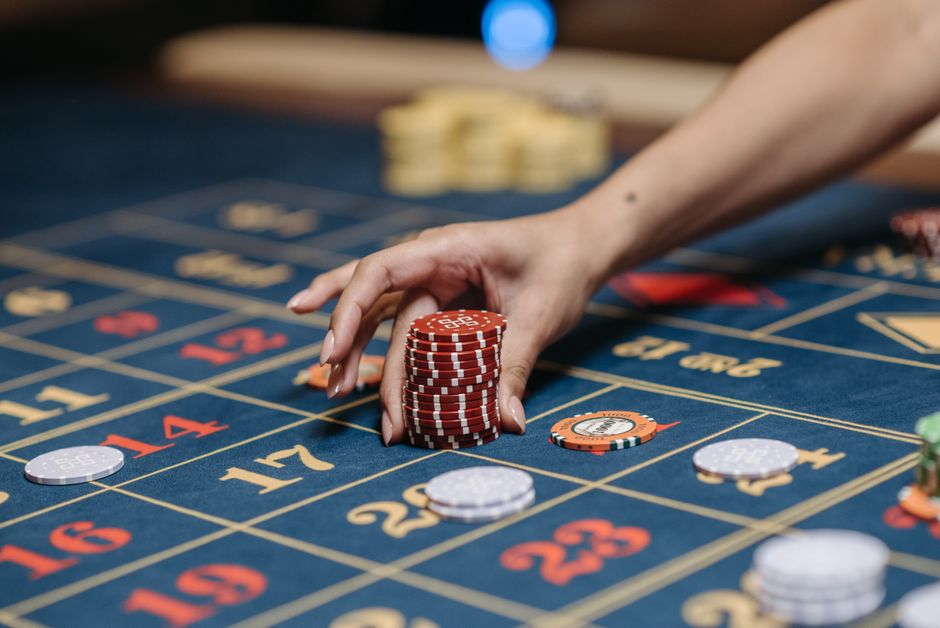
You slide into a casino chair, tap the spin button, and watch the reels blur. But have you ever wondered what's really happening behind that flashing screen? It's not just luck—it's a carefully calibrated algorithm. Understanding the math won't guarantee wins, but it will make you a smarter player. Let's pull back the curtain on slot mechanics.
RTP: The Long-Term Payback
Return to Player (RTP) is the percentage of all wagered money that a slot pays back to players over millions of spins. For example, a 96% RTP means the casino expects to keep $4 for every $100 bet. But here's the catch: RTP is a theoretical average, not a promise for your session.
Consider two slots: Game A has 95% RTP, Game B has 97%. Over 10,000 spins, the difference is significant. But in a 100-spin session, variance dominates. High RTP slots are better for long-term play, but they often come with lower volatility—meaning smaller, more frequent wins.
Volatility: The Rollercoaster Factor
Volatility (or variance) describes how often and how much a slot pays. High-volatility slots like Book of Dead can go hundreds of spins without a win, then hit a massive payout. Low-volatility slots like Starburst pay small amounts frequently. Medium volatility is the Goldilocks zone for many players.
Why does this matter? Your bankroll strategy depends on it. If you have a $50 budget and play a high-volatility slot, you might bust in 10 minutes. But if you're chasing a jackpot, that's the trade-off. Low-volatility slots stretch your playtime but rarely produce life-changing wins.
Hit Frequency: How Often You Win
Hit frequency is the percentage of spins that result in a payout. A slot with 20% hit frequency wins once every five spins on average. But not all wins are equal—many are less than your bet. This is where the hit frequency paradox comes in: a slot can have a high hit frequency but low RTP if most wins are tiny.
For example, a slot with 40% hit frequency might sound great, but if 35% of those wins are less than your stake, you'll still lose money over time. Always check the paytable for symbol values and bonus triggers.
Poker vs. Slots: Skill vs. Chance
If you crave control, poker is your game. In Texas Hold'em, skilled players can achieve a positive expected value (EV) by exploiting opponents' mistakes. The house edge comes from the rake, not the game itself. In slots, the house edge is baked into the RTP—no skill can change it.
That doesn't mean slots are 'worse.' They're just different. Poker rewards study, patience, and psychology. Slots offer escapism and the thrill of a random windfall. Know which experience you want before you sit down. For a closer look, slot mahjong has helpful details.
Betting Systems: The Martingale Trap
You've heard of the Martingale: double your bet after every loss to recoup losses. It sounds foolproof until you hit a losing streak. With a $10 base bet, after 10 losses you're betting $10,240. Most tables have limits, and your bankroll will vanish before the streak ends.
Other systems like Fibonacci or D'Alembert are variations on the same flawed premise: past results don't influence future spins. Every spin is independent. The only 'system' that works is strict bankroll management:
- Set a loss limit (e.g., 50% of your session budget).
- Set a win limit (e.g., double your buy-in).
- Never chase losses.
- Treat gambling as entertainment, not income.
Bonus Features: Where the Value Hides
Modern slots pack free spins, expanding wilds, and multipliers. These features often account for a huge chunk of a slot's RTP. For instance, in Bonanza, the base game has a low RTP, but the free spins round can push overall RTP to 96%. Always read the paytable to see how features contribute.
Some slots let you buy features directly (e.g., buy free spins for 100x your bet). This can be a trap—the cost often exceeds the expected value. Only buy if you understand the math and have the bankroll.
Live Dealer Games: The Human Element
Live dealer blackjack, roulette, and baccarat blend online convenience with real-time action. The RTP for live blackjack is typically 99.5% with perfect strategy, far better than most slots. But the pace is slower, and minimum bets are higher. If you want the best odds, live dealer blackjack is your friend—provided you learn basic strategy.
The Future: Skill-Based Slots?
Some developers are experimenting with skill-based slots where you can influence outcomes via mini-games. Regulators in the US are watching closely. If successful, this could bridge the gap between slots and poker, attracting a new generation of players. But for now, traditional slots remain pure chance.
So next time you spin, remember: you're not just playing a game—you're playing a probability machine. Respect the math, manage your bankroll, and choose games that match your risk appetite. The smartest players aren't the luckiest; they're the ones who know when to walk away.